

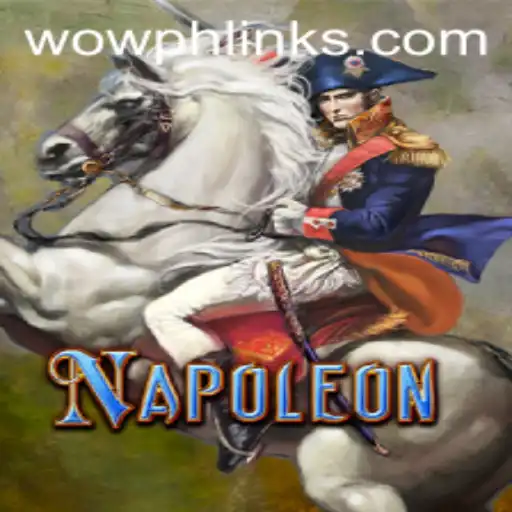

Napoleon, a name synonymous with one of history’s greatest strategists, also lends itself to a captivating and strategic card game that has enthralled enthusiasts for generations. Originally hailing from Europe during the early 19th century, the card game Napoleon combines elements of skill, foresight, and bluffing, much like its namesake on the battlefield. Let's delve into the intricate world of this traditional game and explore its nuances, while drawing connections to contemporary events where strategy plays a pivotal role.
At its core, Napoleon is a trick-taking game typically played with 3 to 7 players. The objective is to win tricks, similar to well-known card games like Bridge and Hearts. The game is played using a standard 52-card deck, and players aim to outwit their opponents through a careful balance of strategy and chance.
The game commences with the dealer dealing out cards to players, varying based on the number in each match. Each player receives an equal number of cards, ensuring a level playing field. The dealer rotates with each round, allowing every participant the chance to orchestrate the game from a position of power.
The bidding phase is critical in Napoleon, as it determines the minimum number of tricks a player must win to be successful. The player who wins the bid becomes ‘Napoleon’ for that round and has the privilege to declare how many tricks they expect to secure. This bidding process resonates with the competitive strategic planning we see in current international negotiations and business strategies today.
Once bids are placed and the Napoleon selected, gameplay begins with the leader playing the first card, setting the tone for the round. Following players must match the suit of this leading card if possible. The player who lays down the highest card of the leading suit takes the trick, thus accumulating points towards their bid goal.
The play continues around the table, with the tactical dimension of the game highlighted through strategic card placement and careful consideration of one’s opponents’ potential moves. Winning a round as Napoleon brings both the satisfaction of success and the keen fulfillment similar to modern-day strategic business victories, whether in finance, technology, or global diplomacy.
In today’s fast-paced world, the principles of Napoleon align closely with strategic decision-making required across various sectors. Consider the global push towards renewable energy—it involves carefully bidding resources, crafting elaborate plans, and predicting competitors’ moves, much like a game of Napoleon. This game hones skills that are directly applicable to these fields, where anticipating outcomes and maneuvering skillfully can yield substantial rewards.
Additionally, the bluffs, bids, and calculated risks inherent in Napoleon mirror the tactics of political negotiations and tech industry rivalries. Take the recent acceleration in AI development—tech giants are in a continuous ‘bidding’ war to outdo one another, harnessing strategies very similar to those employed in this historical game.
Understanding the rules of Napoleon is essential for mastering its play. The basics include adhering to the suite of the leading card when able, strategic bluffing, and achieving the pledged bid for success. Violating these core rules can lead to penalties, reminiscent of regulatory compliance required in global business practices and international trade policies.
Players must remain cautious and precise throughout, as the success of their ’campaign’—much like Napoleon’s own military endeavors—rests on this delicate balance of assertiveness and caution.
Napoleon, the card game, offers not just an engrossing entertainment experience but also a practical learning platform where players can refine strategic thinking. In a way, it serves as both a mirror to past conflicts and a predictor of modern ones, teaching valuable lessons in negotiation, strategy, and psychological acuity.
For those intrigued by the confluence of history, strategy, and psychological warfare, Napoleon holds an eternal appeal. Its timeless nature ensures it remains a staple among card-playing circles worldwide, continuing to challenge and entertain with each round played.

Dive into the captivating universe of DevilFireTwins and discover the enchanting gameplay enriched with the WOWPH experience.
Discover the captivating world of LuckyLion, an innovative and engaging game that is capturing the attention of gamers worldwide. Explore its unique features, immersive gameplay, and the profound impact of the WOWPH experience.

Dive into the exhilarating gameplay of WildBandito, a captivating adventure inspired by the allure of the Wild West.

Explore the features and gameplay of LuckySmile, an exciting new game that has taken the gaming community by storm. Learn about its introduction and rules, and see how current events influence its popularity.

Explore the fascinating world of GoldOfEgypt, a thrilling game that combines ancient mythology with modern gaming elements. Dive into the game's intricacies and learn its rules.

Explore the captivating universe of DiscoNight, a unique game that brings excitement and strategy to the forefront. Learn about its introduction, game mechanics, and current events impacting its gameplay.
